TO (Tracheobronchopathia Osteochondroplastica)
気管気管支骨軟骨形成症
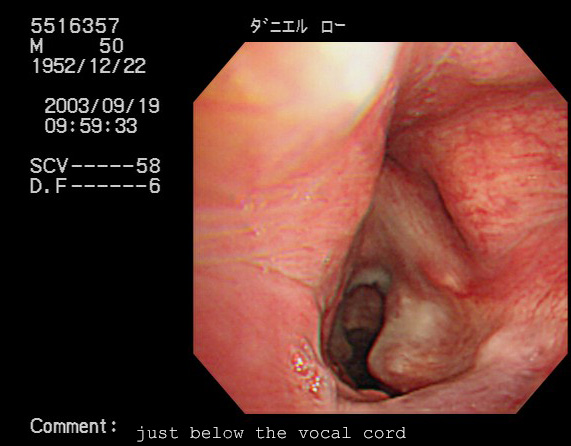
Bronchus endoscope September 19, 2003
Prostate cancer and open heart surgery were performed
using below 6.5mm Tracheal Tube Introducer
for TO (Tracheobronchopathia Osteochondroplastica)
as normal intubation was difficult for the anesthesia
気管気管支軟骨異形成症(TO)は,
気管気管支の粘膜下に多数の骨性・軟骨性結節を伴うのが特徴のまれな疾患である.
挿管困難であった合併した前立腺がんと心房中隔欠損に対し,
気管内チューブイントロデューサ(ポーテックス:スミス・メディカル社)を用いて経口挿管し,心内修復術を施行
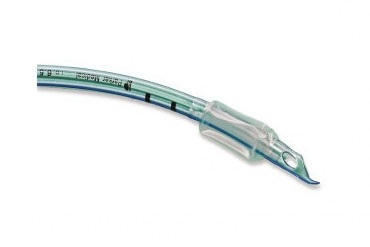
Parker Flex-Tip PFHV (High Volume Low Pressure Cuff) I-PFHV-65
6.5mm (Outer 8.8mm, Cuff 20mm)
Articles
American Journal of Case Reports
Intubation Technique in a Patient with
Tracheobronchopathia Osteochondroplastica
(e-ISSN 1941-5923) © Am J Case Rep, 2020; 21: e928743
The Japanese Journal of Thoracic Surgery Dec 2019
胸部外科
201912 Vol.72 N0.13
Major surgeries and clinical management
ASD Surgery
at Sakakibara Hospital, Japan
心房中隔欠損閉鎖術
榊原記念病院
March 28, 2018
Prostate Cancer Robot-assisted Surgery
at Kyushu University Hospital, Japan
前立腺がん ロボット支援手術
九州大学病院
March 12, 2020
Right Knee Hemarthrosis & Meniscus Tear
Status: Recurrent right knee hemarthrosis secondary to chronic meniscus tear (8 aspirations since late March 2026, including 30 mL and 34 mL in November).
Target Management: Acute flares managed with short-term Tranexamic Acid (Transamin 250mg) to control internal bleeding. Evaluating non-surgical long-term options—Genicular Artery Embolization (GAE) and intra-articular injections—with orthopedic specialist to control capillary leakage.
Iliac Artery Bifurcation Aneurysm (34.5 mm)
Status: Stable; zero growth confirmed since April 2026 baseline. Follow-up interval extended from 6 months to an annual consultation.
Target Management: Strict blood pressure control with systolic pressure maintained strictly below 120 mmHg to minimize vascular wall stress. Managed via flexible dosing of Nifedipine CR 20mg and Carvedilol 2.5mg based on twice-daily tracking.
Ophthalmic / Retinal Management (Faricimab)
Status: Retinal microaneurysm/lesion has completely resolved. Anti-VEGF intravitreal injection (Faricimab/Vabysmo) deferred/skipped to November 2026.
Target Management: Periodic anti-VEGF therapy to suppress vascular endothelial growth factor (VEGF) and angiopoietin-2 (Ang-2), successfully controlling vascular permeability and preserving visual acuity.